
Stormy Ray Cardholders’ Foundation (SRCF) and Cannalogix Foundation
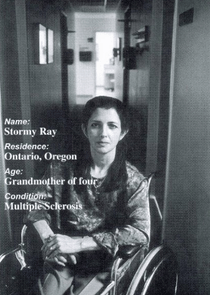
For over three decades, the Stormy Ray Cardholders’ Foundation (SRCF) and its founder, Stormy Ray– the Co-Petitioner of Oregon’s 1998 Measure 67, which Oregon voters passed to establish the Oregon Medical Marijuana Act (OMMA) and eventually evolved into the Oregon Medical Marijuana Program (OMMP)– have taken a personal approach to advocating for Oregon medical cannabis patients.
Stormy Ray, the SRCF and their research arm, the Cannalogix Foundation Research Institute (CFRI) have stood at the forefront of patient-centered medical cannabis advocacy, education, and structural reform. Through its advocacy efforts and research institute, the SRCF continues to remain relevant by supporting medical cannabis patients, medical cannabis education, medical cannabis clinics and other medical cannabis organizations in mounting an otherwise successful strategy to achieve their patient-centric goals.
Founded in 1995, the SRCF was created to protect patients, inform policymakers, and build ethical systems of affordable access at a time when doing so carried real legal, professional, and personal risk.
Notice: On August 31, 2025, SRCF marked 30 years of continuous service—a milestone that reflects not only longevity, but resilience, integrity, and measurable impact. It continues to be a privilege to serve, and we look forward to continuing forward with the implementation of our 100-year multi-generational reorganization plan.

Our Origins
SRCF emerged from necessity.
In the mid-1990s, patients using cannabis for serious medical conditions faced criminal exposure, social stigma, and systemic exclusion. There were few safeguards, little education, and virtually no infrastructure to protect patient rights or inform law enforcement, healthcare providers, and legislators.
SRCF was formed to fill that void.
From its earliest days, the Foundation focused on building practical, defensible frameworks—not slogans. That work directly contributed to the passage of landmark medical cannabis laws in Oregon and helped establish operational models that other grassroots organizations, and states would later study, mimic and adapt.
A Model That Worked
SRCF is widely regarded as one of the original incubators of the modern medical cannabis movement with many notable innovators going on to foster major change on behalf of patients. Thank you from the bottom of our hearts for the opportunity to be a part of your winning ingredients! Through disciplined administration, compliance-forward education, policy engagement, and even patient-grower and grower-patient mediations, the Foundation demonstrated that patient protection, public safety, and regulatory coherence could coexist.
SRCF’s influence extends beyond Oregon. Working through a National framework, the SRCF informed national conversations on medical cannabis policy, patient registries, cultivation standards, research access, and civil liberties—long before these issues entered mainstream discourse. Our researchers have helped incubate some of the most successful programs in the country with regards to state programs. In contrast, those very same researchers successfully helped a boutique firm in Manhattan, NY to list the first cannabis-exclusive pharmaceutical on the New York Stock Exchange (one that has gone on to expand beyond cannabinoid-based medicines into psychedelics).
In service to all, we sincerely want everyone to succeed, have a happy healthy life and do what is right for their fellow humans (and animals) when given the opportunity.
Our Mission
SRCF exists to:
Protect patient rights and dignity
Advance ethical, evidence-informed policy
Educate communities, providers, and policymakers
Support responsible research and innovation
Ensure access remains affordable, safe, and patient-centered
We believe patient rights and healthcare policy should be shaped by lived experience, data, and compassion—not fear, misinformation, or profit-first motives.

What We Do Today
Thirty years in, SRCF continues to evolve while remaining grounded in its founding principles. Today, our work includes:
Patient advocacy and rights protection
Educational and policy conferences (local, regional, and national)
Research collaboration and oversight
Legislative engagement and testimony
Ethical frameworks for emerging plant-based therapies, including phytopharmacology and psychedelics
Strategic partnerships with aligned nonprofit, research, and healthcare organizations
SRCF also supports and collaborates with research initiatives through the Cannalogix Foundation Research Institute (CFRI) and affiliated networks, helping translate research into responsible policy and practice.
Why 30 Years Matters
Longevity in advocacy is rare.
Many organizations arrive with enthusiasm and disappear with the next policy cycle. SRCF’s 30-year history reflects something different: institutional memory, earned trust, and sustained relevance.
The challenges have changed.
The mission has not.
Patients still need protection.
Science still needs room to advance.
Policy still needs grounded voices.
Looking Forward
As SRCF enters its fourth decade, our focus remains clear:
Build quietly where noise fails, cross train everyone on the mission and nurture the next generation of leadership to take the intitiative to be the change
Execute consistently where others stall, failing fast with the understanding that we are going to make mistakes, while correcting them and moving forward
Protect patients even when it is inconvenient, remembering that not all disabilities are visible and mental and emotional health is just as important as physical health
Lead ethically, even when it is unpopular, take accountability, own decisions and live for the truth, there is no room in this movement for those who aren’t giving their all
Progress does not require spectacle.
It requires commitment. It requires consistent movement.
Join Us
Whether you support SRCF by subscribing, donating, attending events, or simply staying informed, you are part of a legacy rooted in service—not trend.
Thirty plus years ago, this work began with a belief that patients deserved better.
That belief still guides us today. What side of the fence will history remember you being on?