By James “J.B.” Creel, PgM, Board Secretary of the Stormy Ray Cardholders’ Foundation and Vice President of Research & Development for the Cannalogix Foundation Research Institute.
For more than two decades, I have worked at the intersection of legal compliance, patient protection, legislative reform, and research administration. While some people have seen me enter a courtroom and dip off into closed chambers thinking that I was there to spill some proverbial tea, what they don’t know is how hard I was going to have to fight to get that Judge to return kids to someone that the system has deemed a “drug addict” and countless failed drug tests seem to back this fear up. Remember, HIPAA is not going to shield your test results from a law enforcement inquiry, much less a full blown case against you. Fact is, when I first entered this space in 1999—when one’s participation alone carried risks—I never really expected this to become my full time job. Twenty five plus years later, I am still waiting for a day off.
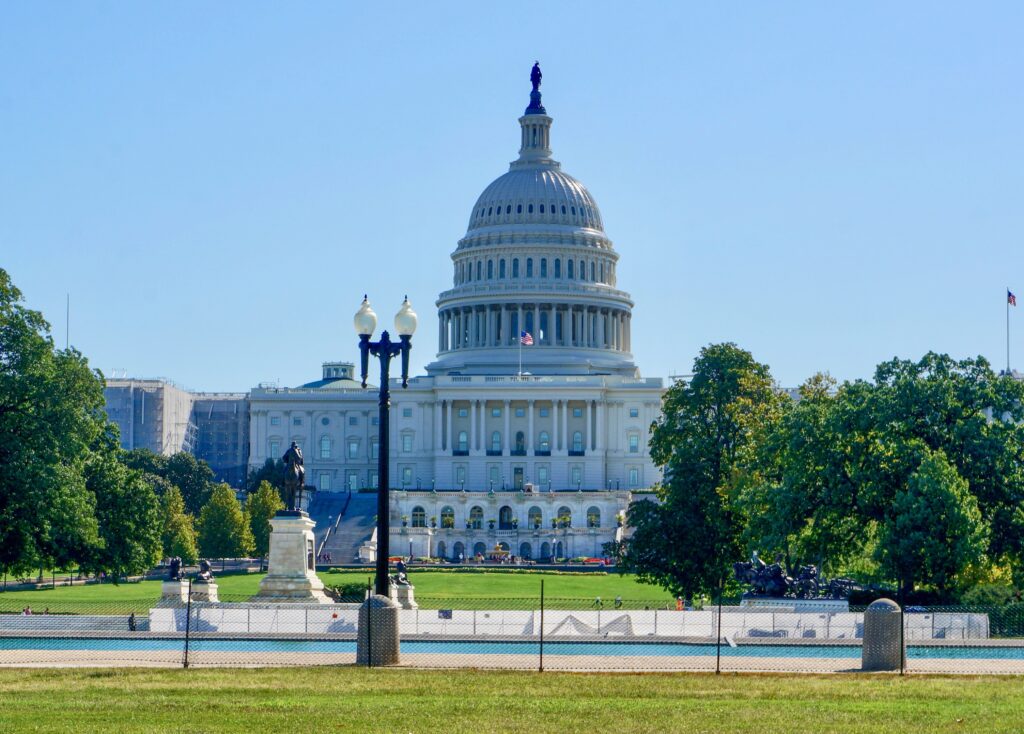
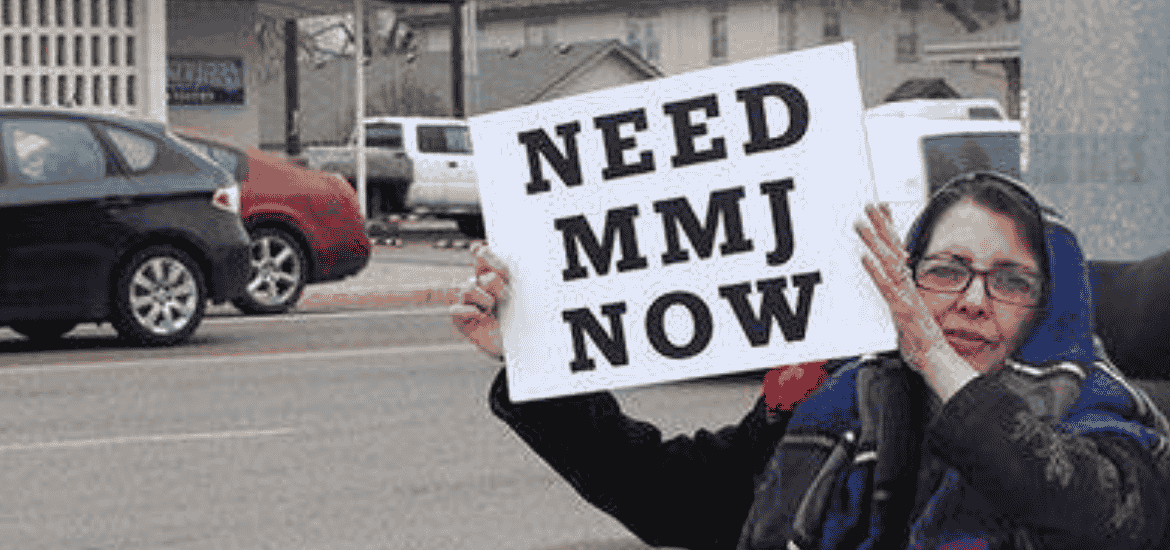
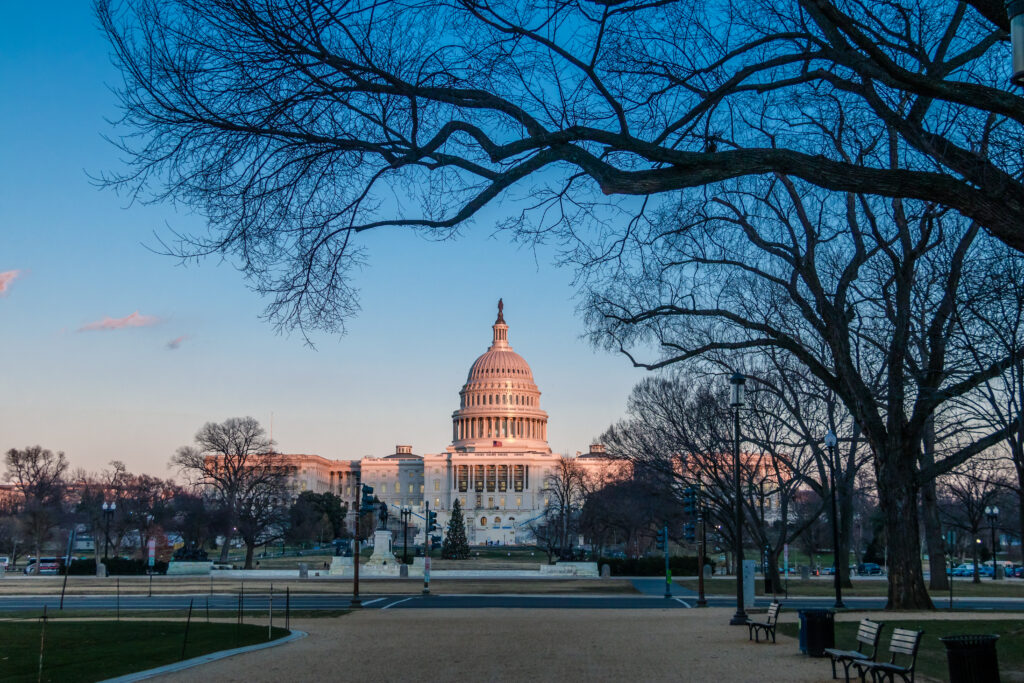
Unfortunately, while everyone has celebrated the victories of legalization, I’ve watched the laws evolve in ways that continue to weaponize the systems against those that are providing these vital services. Fines, licensing fees and costs of doing business priced outside of the realms of affordability while taxing those that do find a way with an effective 85% tax rate through IRS 280E. While I’ve watched states experiment as they take in billions of tax dollars in revenue, stabilizing schools and public safety, I have also watched the federal government reap billions from 280E as some form of greed-imposed sin tax while they in fact continue to turn a blind eye to these massive barriers that only they can dissolve via administrative policy and an act of Congress. I’ve watched big business acquire entire lifetimes of work for absolutely nothing while watching legendary growers have to peddle self-branded rolling papers just to make ends meet to save their farms, all the while they are working for industry leaders and serve as a director of production for one of a handful of Federally-licensed CSA Schedule I producers, there is absolutely no dignity nor reward for those that have sacrificed the most. In contrast, our advocates go to D.C. or the Capitol and find themselves playing to the beat of a one-man drum while the patients continue to fight for dignity in each and every committee room and courtroom of mention. I am used to being the most hated person in the room, too, so I genuinely get it and I can easily see why it is so hard to find volunteers willing to take up the cause and speak up on behalf of those who can’t even afford to buy them a cup of coffee, much less fund their advocacy efforts, but then again I see everyday that I am not in a wheelchair as a privilege. However, when you really think about it, and consider our peers, it is a privilege to walk in there and be the change that they do not expect to see and so if any of you ever see me in the halls of legislature or in the halls of Congress, introduce yourself, and don’t worry the coffee is on me. Meanwhile, let’s all take a look at the facts that are before us, sign the petition and please leave your thoughts about this inititative in the comments! I am eager to see how much support we can actually muster amongst our constituency!
And after all these years, regardless of the size of the crowd, one blaring truth still remains undisputed and undeniable:
Cannabis does not belong in the Controlled Substances Act.
Not rescheduled.
Not shuffled.
Not cosmetically repositioned.
Descheduled. Grapes are not scheduled anywhere, yet we have a very strong global wine economy.
The Schedule I Fiction
Under the federal Controlled Substances Act (CSA), cannabis is classified as Schedule I—defined as a substance with:
- High potential for abuse
- No accepted medical use
- Lack of accepted safety under medical supervision
That classification is scientifically and practically indefensible.
Thirty-eight states have recognized medical use. Millions of Americans lawfully use cannabis under physician guidance. Research institutions study it. Clinicians recommend it. Veterans advocate for access. Patients rely on it for epilepsy, cancer-related nausea, chronic pain, PTSD, inflammatory disorders, and more.
You cannot simultaneously claim a substance has “no accepted medical use” while millions of patients are using it under regulated medical programs.
That is not evidence-based policy.
That is bureaucratic inertia.

Rescheduling Is Not Reform
Some policymakers propose moving cannabis to Schedule III.
That may sound like progress.
It is not.
Rescheduling keeps cannabis inside the Controlled Substances Act. It maintains federal control over a plant. It preserves layers of regulatory complexity that were never designed for botanical agriculture. It invites expanded FDA jurisdiction into areas that were historically governed by states and agricultural frameworks.
Rescheduling rearranges the cage.
Descheduling opens the door.

The FDA Question
The U.S. Food and Drug Administration was established to regulate interstate commerce of drugs and pharmaceutical ingredients—not plants in their natural, agricultural form.
When grapes ferment, they become wine.
But grapes themselves are not federally scheduled substances.
Cannabis, in its raw botanical form, is a plant. Like hops. Like lavender. Like echinacea. Like countless other botanicals that are cultivated, studied, processed, and sold.
Pharmaceutical derivatives?
Those belong in pharmaceutical regulatory lanes.
But the plant itself should not be federally scheduled.
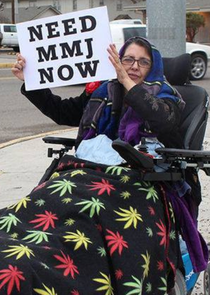
The Patient Impact
Federal scheduling has real consequences:
- Research barriers that slow scientific advancement
- Banking restrictions that distort markets
- Tax codes (280E) that punish compliance
- Firearm rights conflicts for lawful patients
- Housing and employment vulnerability
- Interstate access limitations
- VA prescribing barriers for veterans
For decades, patients have had to navigate a legal maze simply to access a plant that their state already recognizes as medicine.
No other therapeutic botanical carries this level of federal contradiction.
The Market Distortion
We now have the most saturated cannabis markets in the world. In some states, like Oregon, where an ounce of cannabis flower sells for $12. Oversupply is rampant. Cultivation technology has advanced to the point where it can be grown for pennies on the dollar. Compliance frameworks are sophisticated.
And yet, at the federal level, cannabis remains categorized alongside heroin.
That disconnect undermines regulatory credibility.
If the federal government truly believes in science, public safety, and consistent policy, then classification must align with reality.

The Research Perspective
Through my work with:
- Stormy Ray Cardholders’ Foundation
- Cannalogix Foundation Research Institute
- Compassion Center
- Center for Incubation & Findings Research
- Coalition for Patient Rights
- Integrative Providers Association
- Community Based Clinical Cannabis Evaluation & Research Network
—I have witnessed firsthand how federal scheduling distorts research pathways.
Researchers must navigate USDA, FDA, CMS, DHS and DEA registrations. Institutions hesitate. Funding hesitates. Universities overcompensate. Innovation slows.

Meanwhile, patients do not have the luxury of waiting. There are more Facebook groups dedicated to selling cannabis products, that are made in kitchens, than one can imagine but where can they actually go? NO, WE ARE NOT ENDORSING ANY FACEBOOK GROUP OR ANYONE FOR THAT MATTER FOR THE SAFE ACQUISITION OF ANY FORM OF CANNABIS MEDICINE, HOWEVER, WHEN ONE IS IN A COUNTRY OR TERRITORY THAT PROHIBITS THE MEDICINE, YOU CAN BET THAT THEY WILL FIND IT WITHOUT YOUR PERMISSION.
Descheduling would not eliminate regulation. It would simply move cannabis into appropriate regulatory channels—agricultural, commercial, and, where applicable, pharmaceutical.
It would normalize research.
It would normalize commerce.
It would normalize patient dignity.
It would normalize banking and taxes.
Civil Liberties Matter
For decades, patients effectively forfeited certain civil liberties by choosing cannabis:
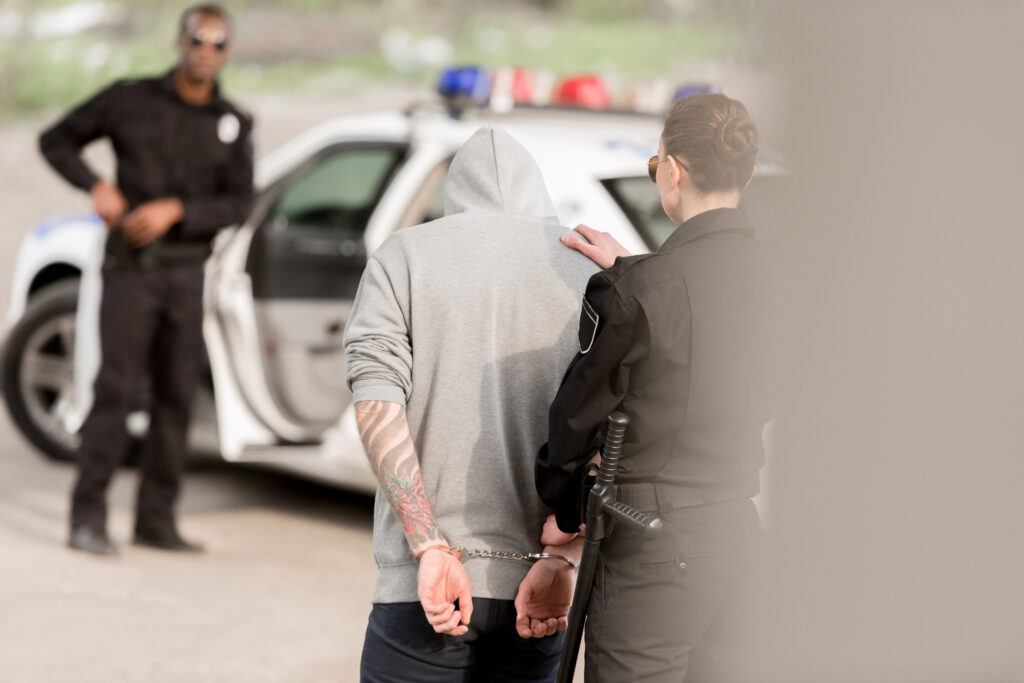
- Risk of federal enforcement regardless of the state laws that were protecting them.
- Loss of firearm rights, which continues to be an issue depending on the actual state.
- Federal employment barriers that have been very slow to modernize if at all.
- Interstate travel concerns that continue to prevent traveling with one’s medicine.
Even today, that tension remains unresolved.
We should not force patients to choose between symptom relief and constitutional protections.
No American should have to weigh that tradeoff.
This Is Not About Chaos
Descheduling is not deregulation.
States will continue to regulate.
Consumer safety laws will remain.
Product testing frameworks will operate.
Pharmaceutical derivatives will still require FDA approval.
Descheduling simply recognizes that cannabis does not meet the criteria for federal controlled substance status.
It corrects a historical misclassification.
Why Your Signature Matters
Policy changes because citizens demand it.
WHILE THIS IS NOT AN OFFICIALLY FILED SECRETARY OF STATE SUBMITTED PETITION, AS NONE OF THE CHANGE.ORG OR SIMILAR PETITIONS ARE, NOR DO THEY CARRY ANY SORT OF THE SAME SORT OF WEIGHT AS A LAWFULLY FILED PETITION, THEY ALLOW YOUR HAT TO BE ADDED TO THE TABLE.
These efforts demonstrate unified support of the constituency with regards to descheduling.
Petitions signal public consensus. They provide lawmakers with political cover. They quantify voter interest. They demonstrate that this is not a fringe issue—it is a mainstream correction long overdue.
When you sign the petition to deschedule cannabis, you are not endorsing chaos.
You are endorsing:
- Scientific consistency
- Patient dignity
- Research freedom
- Regulatory coherence
- Economic fairness
- Civil liberty
The Time Is Now
For 25 years, I have watched patients carry the burden of outdated state and federal policies. I have had to sit back and watch as advocates drafted bills, testified, negotiated, and compromised. NO MORE.
We have reached the point where incrementalism is no longer defensible. When industry pioneers like Bruce Perlowin, known as the King of Pot and the innovative spirit behind HEMP Inc, are diversifying their business models with mushrooms and pod-casts, and growers are having to hawk rolling papers just to survive, this is indicative of trouble and is known as an indicator for something much more sinister. Straight up, anyone who isn’t paying attention is going to be paying more when they have to get a doctor to access their prescription cannabis, we need to band together now and deschedule the cannabis plant altogether.
Cannabis does not belong in the Controlled Substances Act.
Not Schedule I.
Not Schedule III and not Schedule V or some new Schedule VI.
Not anywhere in between.
Deschedule it.
If you believe federal law should reflect scientific reality…
If you believe patients deserve dignity…
If you believe policy should align with evidence…
Add your name.
Sign the petition.
History will record whether we chose inertia—or correction.
About the Author
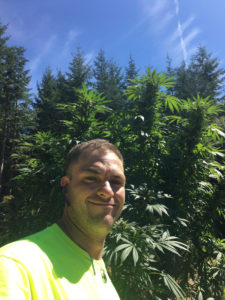
James “J.B.” Creel entered the medical cannabis space in 1999 as his mother’s caregiver and assistant at a time when participation in the medical cannabis program carried real personal and professional risk. Being a contractor and former counterintelligence analyst, and communications tech with a background in law enforcement didn’t help him make very many friends as it made him a target for both sides. His mother, Elizabeth W. Guilfoy, a former director of Research and Development and Quality Control for DuPont, also served as an advocate for the Stormy Ray Cardholders’ Foundation (SRCF) and later on Chief Research Officer and Founding Fellow of the Cannalogix Foundation Research Institute (CFRI) which is where she served until her retirement. Beginning as a volunteer with the SRCF, Creel has rose through the ranks serving as:
- Board Proxy for Elizabeth W. Guilfoy
- Law Enforcement Liaison
- Compliance Officer
- Compliance Manager
- Research Institute Lead
- Board Secretary (Current Role)
Today, Creel serves as Board Secretary, overseeing SRCF administrative operations and day-to-day compliance for both the Foundation and its research arm. In addition to his SRCF duties, Creel serves as the Board Secretary-Treasurer for the Compassion Center, the Integrative Providers Association, and the National Coalition for Patient Rights; and Research Administrator for the Center for Incubation & Findings Research (CIFR), which manages and oversees the Community Based Clinical Cannabis Evaluation & Research Network (CBCCERN) (www.CBCCERN.org), an autonomous research institute and network of principal investigators and clinics including Compassion Center and its division, Integrative ECS. With a professional career of thirty five years and a background spanning both counter-intel investigations and investigative research, Creel thrived in compliance management, and legislative advocacy, where he has spent well over two decades working at the intersection of patient protections, regulatory systems, and structural reform without a need to make friends nor maintain any sort of financial reliance on any of it.
His perspective is informed not only by policy—but by field experience.
And the saga, as history shows, is not over.