
A patient-safety, ethics, and credibility primer for patients, clinicians, chemists, and citizen-innovators so that everyone understands the playing field that we all must learn to play on…
October 17, 2025, By: Julie Monteiro, RN, BSK, Vice President, Stormy Ray Cardholders’ Foundation and Co-Founder of the National Coalition for Patient Rights (https://coalitionforpatientrights.org)
There’s a moment that happens in every fast-moving wellness market: someone discovers a compound, a formulation, or a protocol that seems to help everyone that happens to try it. The results look real. The testimonials roll in. People start asking “Where can I buy more of those samples?” The temptation stirs and the conceptualizing follows:
“If it works, why can’t I just make it and sell it as a treatment?”

In the United States, the moment someone claims a product can treat, cure, lessen, or prevent a disease, they enter into a regulated space—and those rules aren’t optional. They exist for a variety of reasons: to protect patients, make sure labels are honest, and stop the oldest healthcare scam in history—snake oil.
Quality control experts test for consistency, quality and purity. Then safety experts test the products to check chemical residue levels, look for hidden dangers, and make sure safety rules are being followed. They also search for banned or toxic substances, because sometimes people are hurting themselves and their customers without even realizing it.
This is where well-meaning “citizen-innovators” can get into a lot of trouble. If someone makes or sells a product without fully understanding how it behaves inside and outside the body, then things can become dangerous and quick because our bodies are sensitive eco-systems. Even with good intentions, lack of the fundamental knowledge necessary can lead to unexpected side effects, or serious health problems, and sometimes harm that cannot be undone.
And there’s another problem that’s just as important as the legal one: when someone also makes or sells what they recommend—or recommends what they make or sell—it creates a built-in conflict of interest. That kind of conflict breaks trust quickly, and in healthcare, trust is everything.
The Core Principle
One can be mission-driven, brilliant, and well-intentioned—and still be legally exposed and ethically compromised if one tries to serve two masters at once:
- Mission #1: Patient welfare and objective clinical judgment
- Mission #2: Product revenue, market share, and business growth
Those missions collide the very second that money depends on the recommendation.
The American Medical Association puts it plainly: physician sale of health-related products raises ethical concerns about financial conflicts of interest, can pressure patients, and can erode trust. And while this is a statement made for doctors, it applies to nurses, nurse practitioners, pharmacists and herbalists too!
The Legal Line: Disease Claims Trigger FDA Drug Rules
In U.S. law, a product’s regulatory status is heavily driven by intended use—which boils down to what you claim that it does, how you market it, and what people reasonably understand that you’re selling.
If you sell a product as a disease treatment, you’re generally in “drug” territory under the Federal Food, Drug, and Cosmetic Act framework—and new drugs can’t be introduced into interstate commerce without an effective FDA approval (with narrow exceptions and specific pathways).
That’s why “I didn’t mean it like that” doesn’t hold up when one’s website, label, social posts, podcasts, or sales reps say things like:
- “Treats cancer,” “reverses diabetes,” “heals PTSD,” “stops seizures”
- “Clinically proven to cure…” (without the required evidence and approvals)
- “Doctors don’t want you to know…” (a classic red flag)

Once a claim becomes medical, the compliance expectations become medical too—because the risks become public.
The Conflict-of-Interest Trap: Why It’s So Damaging
Even when a product is safe, a dual role (medical practitioner or provider + seller, or evaluator + marketer) creates a structural trust problem:
- The patient wonders whether the recommendation is for their benefit—or the provider’s margin.
- Competitors and regulators see a classic incentive to exaggerate claims, and a conflict of interest.
- The public reads it as “paid advice,” not medical judgment.
This is exactly why major professional ethics frameworks warn that selling products to patients threatens trust and can undermine a physician’s primary obligation to put their patients first.
And it’s not just doctors either. Chemists, formulators, nurses, nurse educators, herbalists, botanists and even “citizen-scientists” face the same credibility cliff when they cross that threshold:
If your paycheck depends on a conclusion, your conclusion will be questioned—even if it’s correct.

That’s how reputations get damaged: not always by wrongdoing, but by appearance of compromised judgment. I learned this first hand when my magazine, Cannabis Nurses Magazine, was hijacked by some other nurses who were my legitimate business partners just to have their brands blanket the pages of the magazine that I was working so hard to fill with viable scientific knowledge. It didn’t matter that I was a steadfast advocate for integrity, nor how much I did to present qualified, evidence-based science, the magazine was still posturing a nurse’s products that were made in their kitchen with ingredients out of their kitchen cabinet. When one really thinks about it, the cross contamination with all of their previous meals causes an abundance of concern alone, but that exponentially compounds when one considers the cross-contamination factors, especially with regards to them preparing other patients’ medicinal and ceremonial preparations that potentially compromised patients were going to be consuming. Yuk!
“Snake Oil” Isn’t Ancient History—It’s the Reason These Laws Exist
Before modern regulation, the U.S. was flooded with “patent medicines”: tonics and elixirs marketed as cure-alls, often with undisclosed ingredients, unsafe formulations, and extravagant promises. Those of us old enough to remember the term “snake oil” can relate, but the issue is still the same: Fraudulent and unproven claims lead to disappointment, loss and a diminished quality of life. The economy, environment and market—plus public outrage over adulterated and misbranded products—helped drive federal action.
The FDA’s own history notes that the 1906 law prohibited interstate commerce with regards to otherwise misbranded and adulterated foods and drugs, laying the early groundwork for our modern oversight.
From there, U.S. drug law matured in response to real harms and real failure modes:
- labeling and purity problems,
- dangerous ingredients,
- fraudulent claims,
- and later, the requirement that manufacturers prove more than safety—also effectiveness (a major shift after 1962).

In other words: these rules aren’t designed to punish innovators. They’re designed to stop a repeating pattern: People selling certainty before the evidence exists.
Why Legitimate Players Still Need the “Inconvenient” Guardrails
If you’re doing serious work—responsible formulation, careful dosing, real-world safety monitoring—then you should be fine with proving your work and FDA-style discipline is not your enemy.
It’s what separates:
- responsible development from hype,
- medicine from marketing,
- trust from trend.
Yes, the process can be slow and expensive. But the alternative is worse:
- markets flooded with exaggerated claims,
- patients harmed by unsafe or mislabeled products,
- and legitimate innovators buried under the fallout of the next scandal.
Regulation exists because the public learned—repeatedly—that without guardrails, the market rewards whoever can tell the best story, not whoever has the safest product. Unfortunately, integrity in healthcare is as elusive as transparency and when you find it, you will learn to hold onto it like you are holding on for dear life.
The Reputational Bottom Line
Trying to sell an unapproved “disease treatment” is not just a compliance gamble—it’s a brand gamble.
This type of gamble signals:
- “We’re willing to skip oversight,”
- “We’re comfortable with conflicted incentives,”
- “We want trust without the work of earning it.”
And in healthcare, trust is the whole business.
The Ethical Way Forward: Build Credibility That Survives Scrutiny
If your goal is to help patients and build something that lasts, the playbook is boring—but it works:
- Separate clinical judgment from sales incentives
- don’t sell what you prescribe or recommend; avoid commission structures.
- Use compliant language
- avoid disease claims unless you have the regulatory pathway to support them.
- Choose the right lane
- food/supplement vs. drug vs. device is not a branding choice; it’s a legal one.
- Invest in evidence
- quality systems, third-party testing, adverse event monitoring, and—when appropriate—formal clinical research.
- Let independent parties validate outcomes
- the fastest way to protect credibility is to make sure the data isn’t “owned by the seller.”
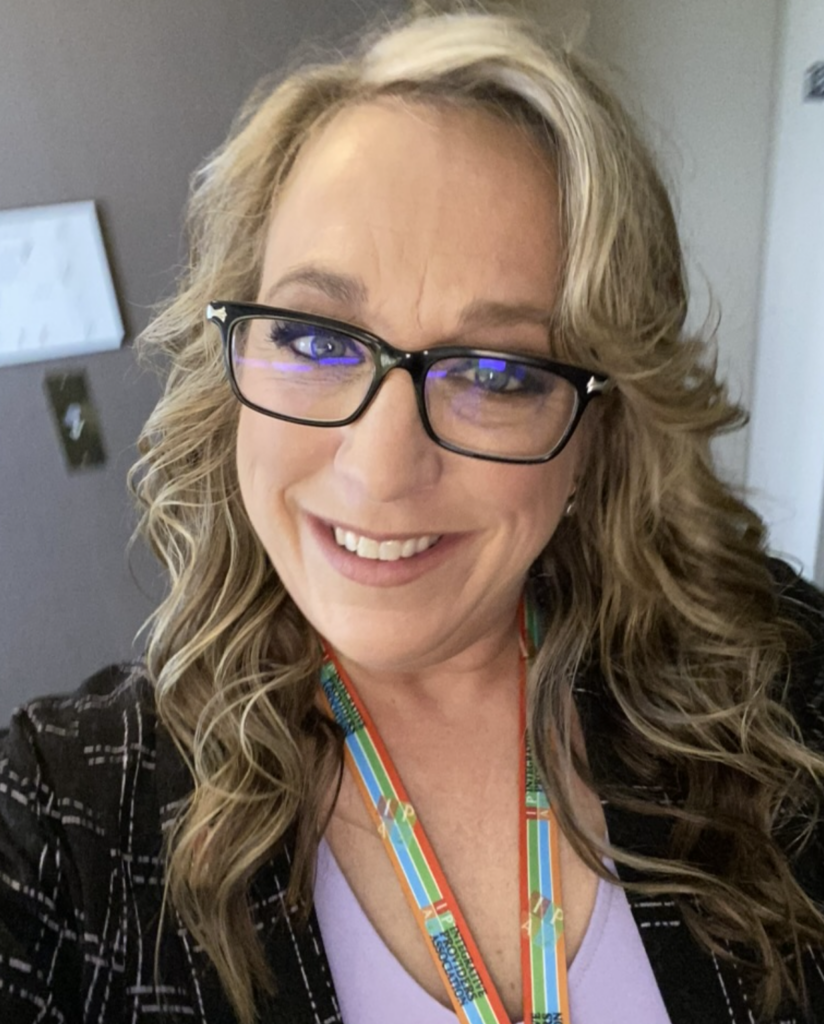
About the Author: Julie Monteiro, RN, BSK—also known as Nurse Julie Creel and the voice behind Ask Nurse Juhlzie—is a nationally recognized nursing leader, educator, and patient advocate whose work has helped define cannabis nursing as a professional discipline.
She serves as Vice President of Professional Education for the Stormy Ray Cardholders’ Foundation and as Co-Founder, President & Secretary Emerita, and current Vice President of the National Coalition for Patient Rights. Widely regarded as a pioneer in the field, Nurse Juhlzie was instrumental in establishing the Cannabis Nurses Network (CNN), Cannabis Nursing Magazine, the Integrative Providers Association (IPA), and the Glocal Cannabis Nursing Institute (GCNI) under the Center for Incubation & Findings Research (CIFR)—an extension of Compassion Center, the oldest federally recognized nonprofit medical cannabis clinic in continuous operation.
Nurse Juhlzie is also recognized for helping advance cannabis nursing within mainstream healthcare, helping integrate the discipline with the American Nurses Association (ANA) via a collaboration with leadership from the American Cannabis Nursing Association (ACNA) serving via her various roles.
During her tenure as President of Compassion Center, she continues to play a critical role in expanding and strengthening state-level medical cannabis programs nationwide, helping shape patient-centered policy reforms while leading Compassion Center’s clinical and advocacy expansion to serve patients across more than 18 states.